13-24 of 153 results

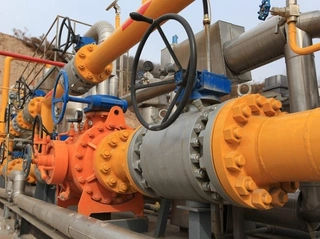
Understanding Valve Sealing in Oil and Gas Pipelines

This article provides a comprehensive overview of petroleum pipeline valve sealing, covering soft and hard sealing materials, packing, O-ring, and metal-to-metal technologies, common failure modes, root causes, and preventive strategies. It highlights the critical role of sealing in ensuring safe, efficient, and environmentally responsible pipeline operations, offering guidance for material selection, design, and maintenance to minimize leakage and maximize valve reliability under high-pressure, high-temperature, and corrosive conditions.
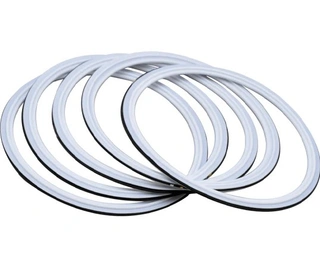
Guide to PTFE Envelope Gaskets for Industrial Sealing

PTFE envelope gaskets are composite sealing solutions designed for harsh industrial environments, combining a chemically resistant PTFE outer layer with an elastic core for mechanical strength and recovery. Available in V-type, L-type, and U-type structures, they offer reliable performance across a wide temperature (-100°C to 260°C) and pressure (0.6–5.0 MPa) range, with exceptional chemical compatibility, anti-contamination properties, and low friction for easy maintenance. Widely used in chemical, pharmaceutical, food, metallurgical, environmental, and energy sectors, these gaskets provide stable, long-lasting sealing in corrosive media while requiring careful handling to protect the thin PTFE coating.

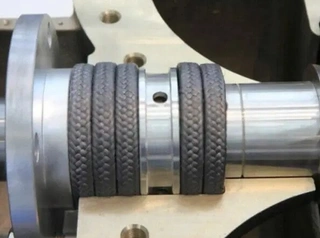
Packing Seal Technology: Principle, Type & Application

Packing seal technology is a classic and widely used dynamic sealing method in industrial equipment. This article introduces its working principles, including labyrinth and bearing effects, structural composition, material characteristics, and main types of packing seals. It also analyzes application conditions, the relationship between pressure and speed, and common leakage failure causes, providing practical guidance for material selection, installation, and maintenance to help ensure safe and stable operation of pumps, valves, and other mechanical systems.

Graphite Packing vs. PTFE Packing: What's the Difference

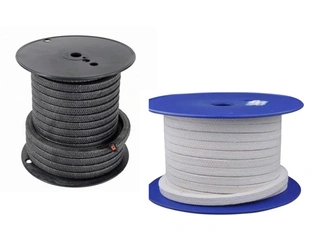
Graphite packing and PTFE packing are two widely used industrial sealing materials, each offering distinct performance advantages under different operating conditions. Graphite packing is valued for its excellent high-temperature resistance, superior thermal conductivity, and strong pressure-bearing capacity, making it widely applied in energy, petrochemical, and metallurgical equipment operating under extreme conditions. PTFE packing, on the other hand, is known for its outstanding chemical inertness, low friction coefficient, and hygienic safety, making it the preferred choice in food processing, pharmaceutical manufacturing, and fine chemical systems where contamination control is critical. By systematically comparing material composition, thermal and mechanical properties, corrosion resistance, product variants, and typical industry applications, this article provides engineering guidance for rational sealing material selection.

How to Install Sealing Gaskets Correctly

This guide provides a comprehensive overview of sealing gasket installation for mechanical and industrial piping systems. It covers essential preparations, including inspection, cleaning, and lubrication of flange surfaces, as well as proper gasket positioning to ensure centering and prevent leakage. Detailed procedures for bolt tightening, preload control, and special handling for large-diameter or high-temperature applications are explained. The guide also addresses the use of sealants, safety precautions for flammable or pressurized systems, and quality checks to verify sealing performance.

Installation and Maintenance of Packing Seals

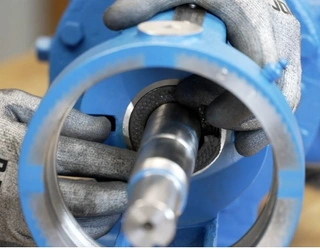
This article provides a complete guide to the installation and maintenance of packing seals in industrial pumps and valves. It covers preparatory work, correct selection of packing specifications, precise cutting techniques, step-by-step installation, bolt tightening, commissioning, and operational monitoring. Emphasizing standardized procedures, proper staggered arrangement, and controlled leakage, the guide helps technicians ensure optimal sealing performance, extend packing life, prevent early failures, and maintain safe, stable, and efficient equipment operation under various conditions.

Guide to PTFE Packing for Pumps and Valves

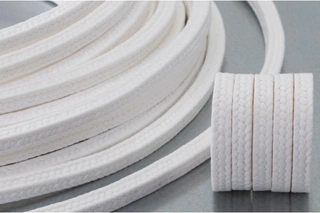
PTFE packing, made from high-performance polytetrafluoroethylene, is a versatile sealing material widely used in chemical, pharmaceutical, mechanical, and transport industries. Renowned for its exceptional chemical resistance, broad temperature tolerance, low friction, and non-toxic properties, PTFE packing ensures reliable sealing in harsh and demanding environments. Available in pure, oil-impregnated, graphite-, aramid-, carbon fiber-reinforced, and expanded forms, it caters to diverse operating conditions. Understanding its types, manufacturing, and selection criteria is essential for optimizing performance and ensuring long-term industrial reliability.

About Graphite Packing: Sealing Solution for High-Temp Applications

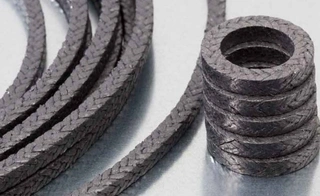
Graphite packing is a high-performance sealing material widely used in industrial applications requiring high temperature, high pressure, and chemical resistance. Made from braided graphite fibers and reinforced with metal or other fibers, it provides excellent self-lubrication, thermal conductivity, and durability. Expanded and reinforced types suit a variety of equipment, including pumps, valves, boilers, and reactors, across petroleum, chemical, power, and steel industries. Proper installation and maintenance ensure long service life, reduced leakage, and enhanced operational efficiency, making graphite packing a reliable choice for modern industrial sealing needs.

Industrial Packing Seals: Selection, Performance & Installation

Packing seals are essential for ensuring the safety, efficiency, and reliability of industrial equipment. This article provides a comprehensive overview of packing, covering its basic concepts, working principles, material characteristics, types, performance, selection criteria, and installation and maintenance methods. From natural fibers to advanced synthetic and reinforced materials, packing solutions are examined for their suitability in pumps, valves, compressors, and rotating or reciprocating shafts under diverse operating conditions.

Future development of 3D printing technology in flange manufacturing

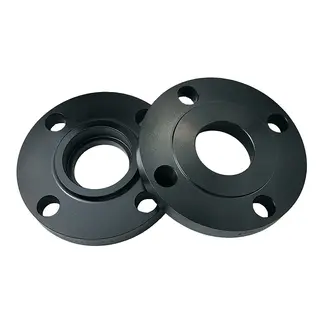
The future development of 3D printing technology in flange manufacturing has received widespread attention, and its advantages and disadvantages and practical application cases have significantly affected its potential. This topic is explored in detail below. Advantages of 3D printing technology 3D printing technology is generally regarded as a manufacturing method with revolutionary advantages in flange manufacturing. First of all, in terms of cost effectiveness, the initial equipment investment...

How to choose the appropriate bolt material in pipeline engineering to cope with different environments

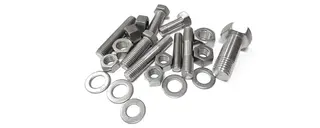
In pipeline engineering, choosing the right bolt material is a key step to ensure the integrity and safety of the pipeline. Different environmental factors will affect the performance and life of bolts, so it is necessary to make a reasonable material selection. This paper will discuss how to select suitable bolt materials according to environmental factors in pipeline engineering, and illustrate its importance through concrete examples. Influence of environmental factors on bolt material selection...

Hot Dipped Galvanized Nuts for Flange: Ensuring Durability and Safety in Industrial Applications

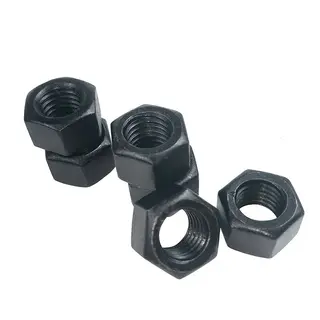
In the fast-paced world of industrial operations, every small component plays a crucial role in ensuring the efficiency, durability, and safety of the overall system. One such essential component is the ANSI B18.2.2 A194 2H hot dipped galvanized nut for flange. This specialized nut plays a vital role in joining flanges securely, preventing leakage, and withstanding the demanding conditions of various applications. Hot dipped galvanized nuts are a popular choice in industrial settings due to their...

Total 153 Records, 12 records per page